
Earthquakes can happen suddenly and without warning. And while they may not happen as often as some other natural disasters, they can be the most destructive and costly when they do. Fortunately, building codes have been continuously improved over time to be better prepared against the massive destruction these events create. In California, building codes are typically modified after major earthquakes.
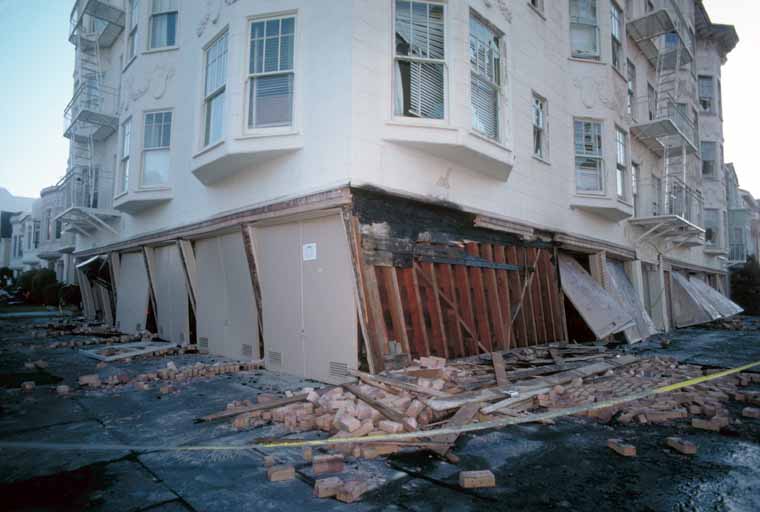
Earthquakes & Code Improvements
1971
San Fernando
Code improvement: concrete detailing
1989
Loma Prieta
Code improvement: wood frame and soft story issues
1994
Northridge
Code improvement: welded steel frame detailing
While it is important to continuously update codes and make our buildings safer, this can take time. Several cities have begun implementing seismic ordinances requiring the upgrade of certain structures, but improvements can still be made. Did you know that current California Building Codes only require that buildings avoid collapse for people to evacuate safely? Current codes allow for damages to occur, meaning your building may not be functional or habitable after a moderate or large earthquake.
One method building engineers use to meet the required codes is to stiffen the building, which will make the structure stronger than the earthquake. While this will keep the building from collapsing, extreme shaking can still occur leading to additional problems such as broken pipes and vents, toppling shelves and light fixtures, water damage, and more. These damages can lead to unsafe living conditions or the need for the entire building to be demolished.
An alternative and more efficient solution is to add seismic dampers to the building to absorb the energy of the earthquake. Similar to how shock absorbers work on your car when driving on a bumpy road, dampers can be added to the structure of a building to limit the shock and vibration during an earthquake.
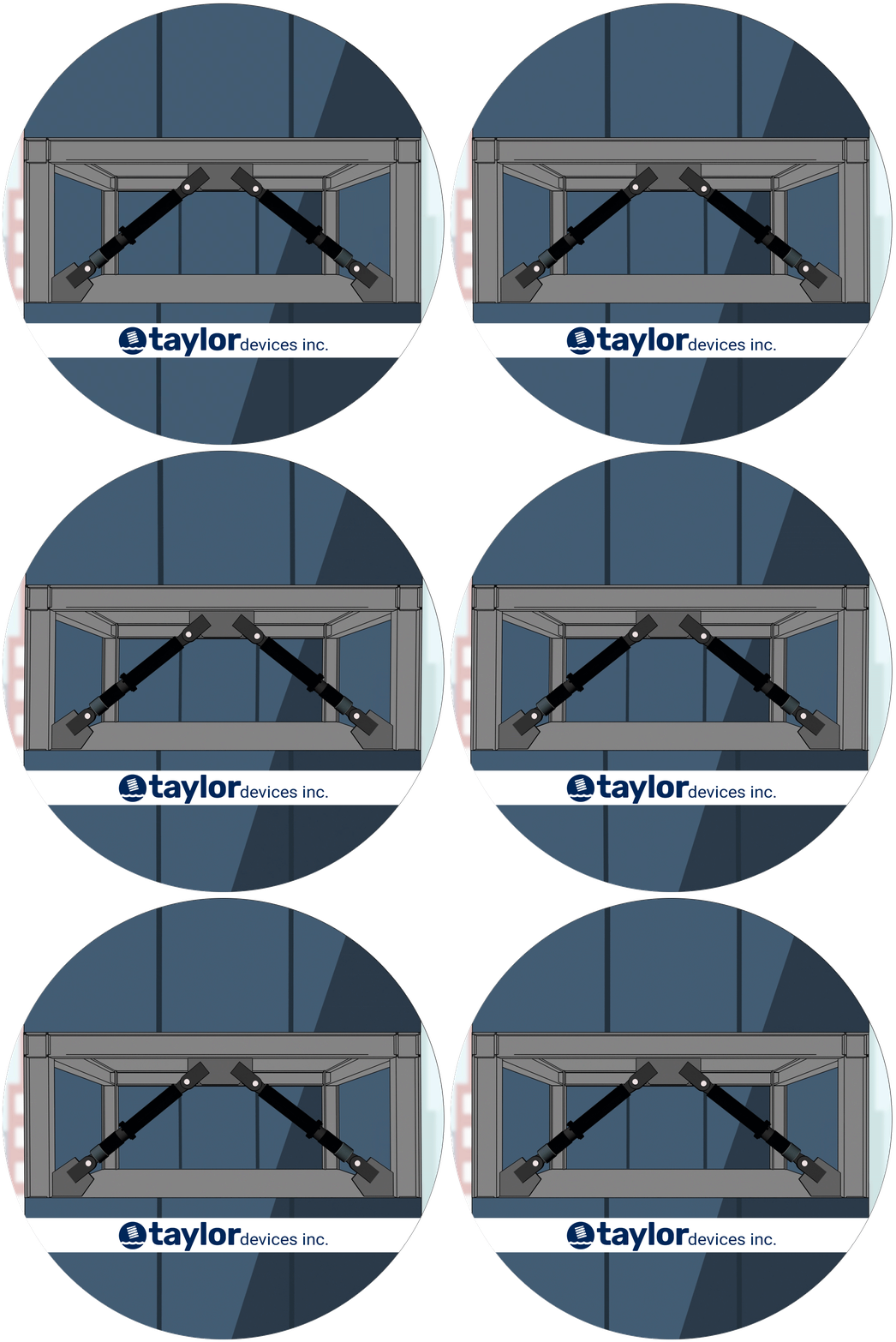
Taylor Devices makes it easy to retrofit existing buildings as well as protect new buildings from the harmful effects of earthquakes. Our devices allow for immediate occupancy after even the worst predictable design level earthquakes allowing you to reenter your home or workplace after an event. Our seismic dampers will be immediately ready for the aftershock or next seismic event and will last the lifetime of the building.

To make sure that you and your family are safe, it is important to talk to your property owner about what steps have been taken to ensure that your building is designed to handle an earthquake. Here are some questions you can ask:
Along with making sure your apartment building is safe, you should also consider talking to your coworkers and managers at your place of work about adding our seismic dampers to your office building. We encourage you to share this information with family, friends, and loved ones across social channels to ensure that they are aware of their own building protection systems as well.