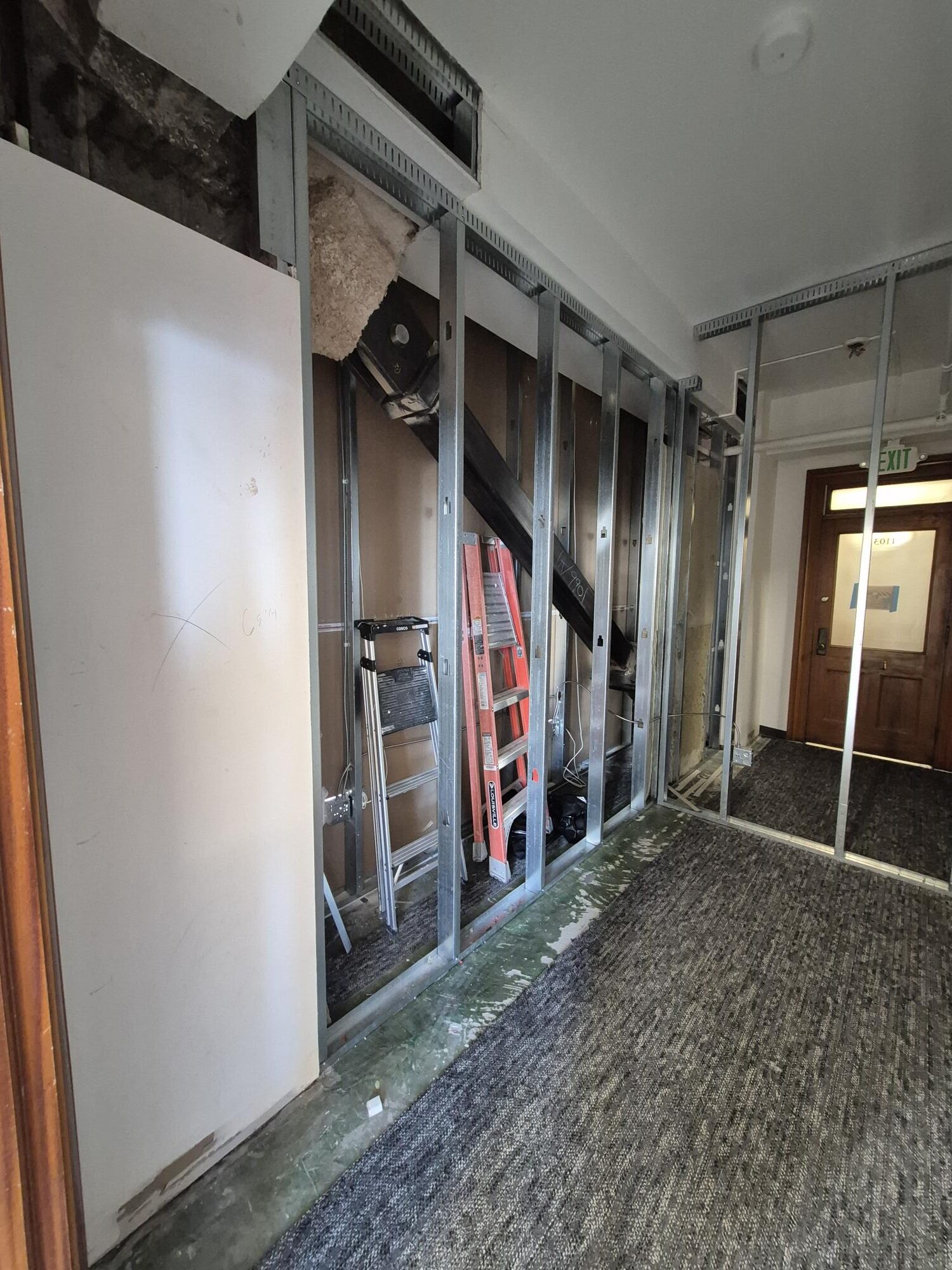
Smith Tower was completed in 1914, long before modern seismic building codes. What type of structural system was used to support the building?
A steel-frame structural system, with masonry forming much of the building’s exterior and architectural envelope.
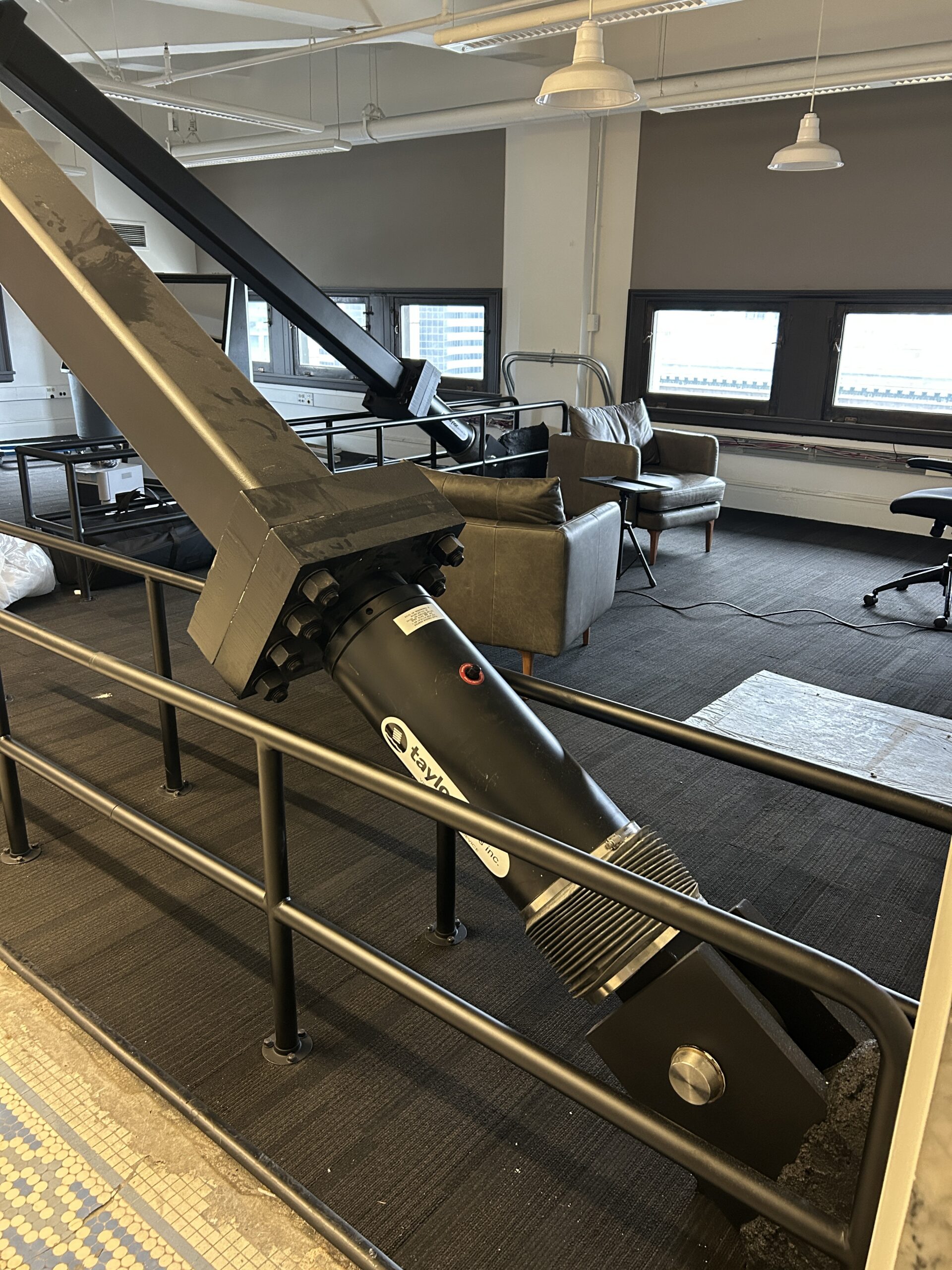
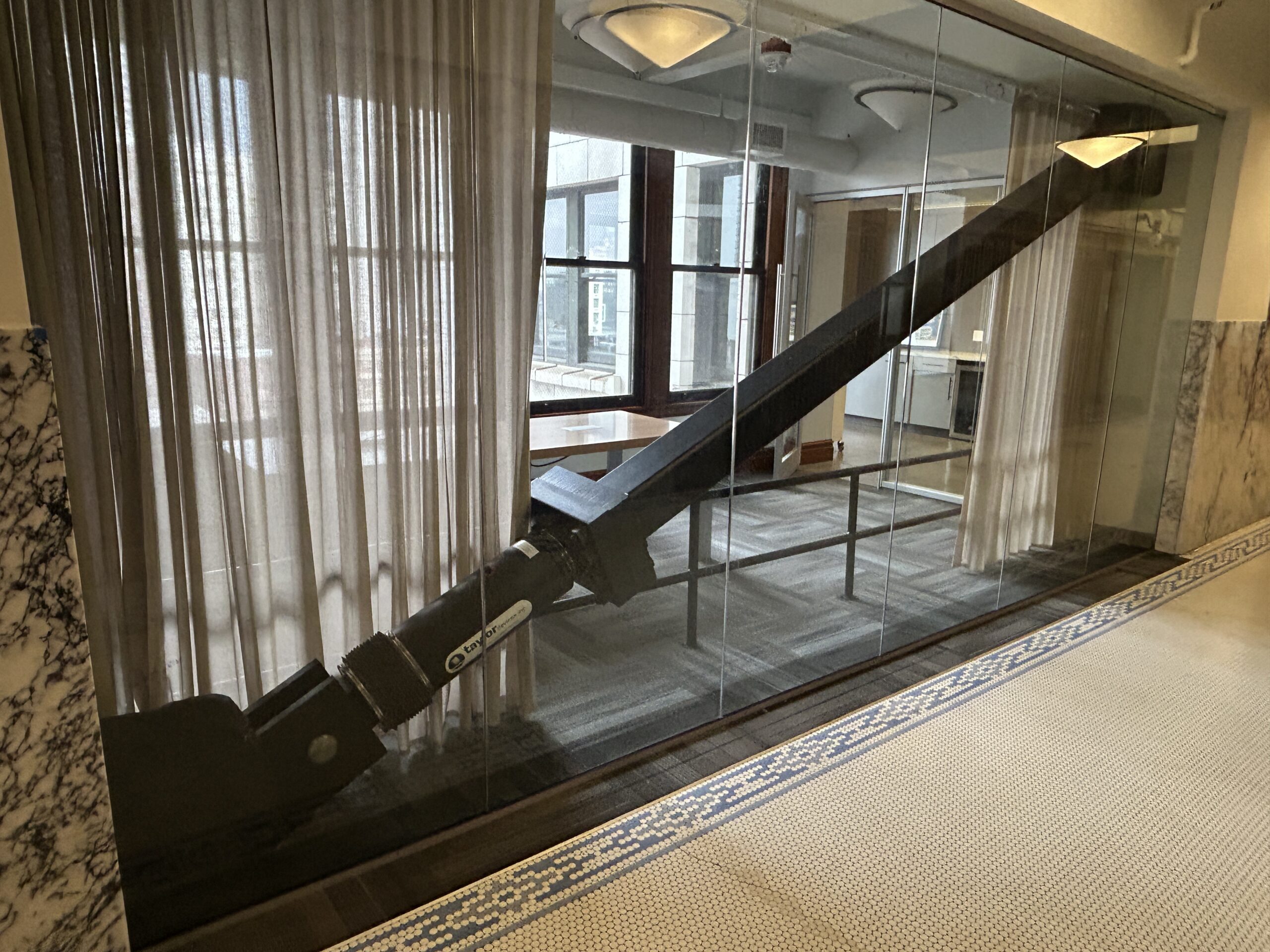
Steel-frame structural systems are inherently flexible structures permitting FVDs to dissipate large amounts of energy at relatively low force levels. Scroll down to learn more about this project.
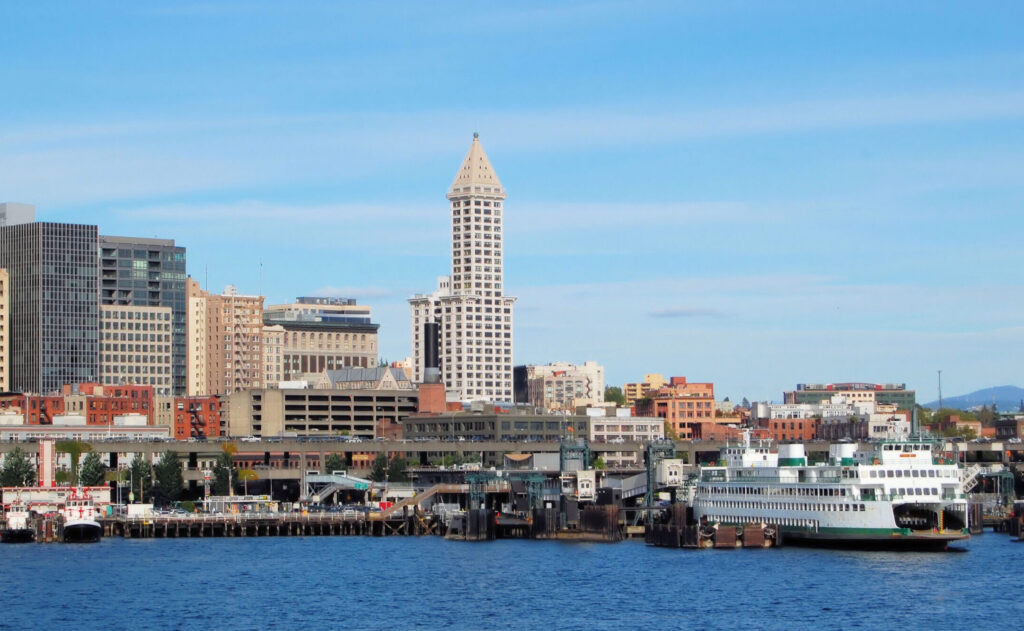
It was the tallest building west of the Mississippi River.
Many buildings from this era were designed long before modern seismic codes. Taylor Devices can provide supplemental damping systems to improve performance while preserving historic architecture for buildings like Smith Tower.
1. The Cascadia Subduction Zone (Great Megathrust Earthquakes)
A 700-mile-long subduction zone extending from northern California to British Columbia where the Juan de Fuca Plate is forced beneath the North American Plate. These rare but catastrophic earthquakes can exceed magnitude 9.0, producing several minutes of shaking and widespread damage across the Pacific Northwest.
2. Deep Intraslab Earthquakes (Within the Juan de Fuca Plate)
These earthquakes occur deep inside the subducting Juan de Fuca Plate, typically 30–70 km (20–45 miles) below the surface. While generally smaller than Cascadia megathrust events, they occur much more frequently and can generate strong shaking over a broad region. The 2001 magnitude 6.8 Nisqually earthquake is the most well-known example.
3. Shallow Crustal Faults (Including the Seattle Fault)
These faults lie within the Earth’s upper crust, often less than 20 km (12 miles) deep, and are capable of producing the strongest localized ground shaking. The Seattle Fault, which runs directly beneath the city, is capable of generating earthquakes of approximately magnitude 7.0–7.5, posing one of the greatest seismic risks to the Seattle metropolitan area due to its proximity to densely populated infrastructure.
Because Seattle is exposed to three distinct earthquake hazards, engineers must design structures to perform under a wide range of seismic demands, from long-duration Cascadia megathrust events to intense, localized shaking from shallow crustal faults.
Size 240,000 sqft
Stories 38
Building Type Commercial
Number of Dampers 9
Structural Engineer CPL
General Contractor Suver LLC
Architect JPC Architects
Owner GT Capital
As a 484-foot-tall high-rise, Smith Tower is particularly susceptible to the effects of long-period ground motions that can develop within the Seattle Basin. The deep sedimentary soils beneath downtown Seattle can amplify and prolong earthquake shaking, causing taller buildings to experience greater swaying and larger interstory drifts than they would on firm rock. These basin effects are expected to be especially pronounced during a major Cascadia Subduction Zone earthquake, increasing demands on both structural and nonstructural systems.
Taylor Devices’ fluid viscous dampers help mitigate these effects by dissipating seismic energy, reducing drift, and improving occupant safety while minimizing damage and downtime. By enhancing performance without increasing stiffness, fluid viscous dampers provide a resilient solution for both new construction and historic retrofits, like Smith Tower without compromising the building’s historic character.
Taylor Devices has completed dozens of unique projects in Seattle and throughout Washington. If you are planning a new building or upgrading an existing one, our team is here to help.
Whether you’re a member of the Seattle, Southwest, Spokane, or South Central SEAW chapter, we’re ready to discuss your next project and explore how Taylor Devices’ fluid viscous dampers can improve seismic resilience, reduce structural demands, and deliver high-performance solutions tailored to your design.