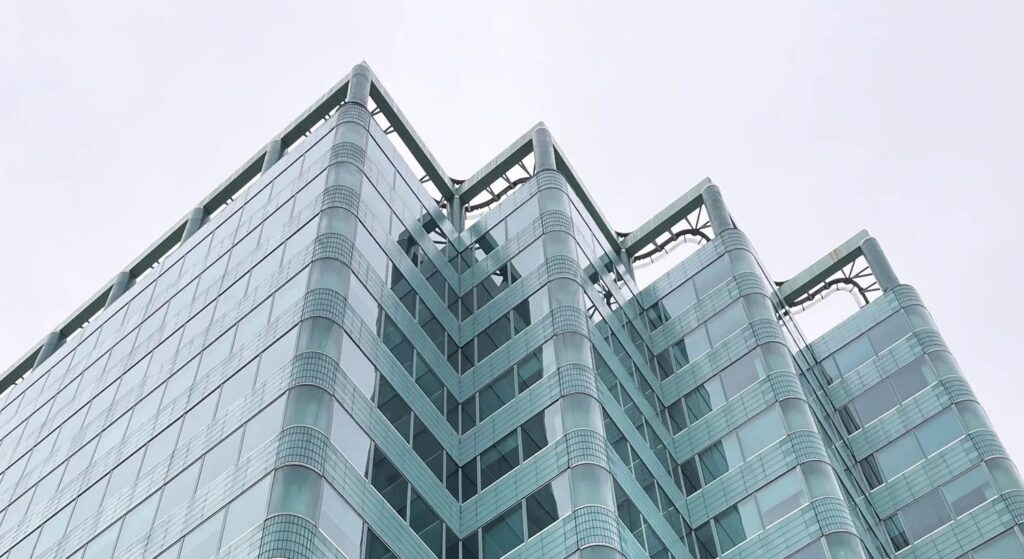

New Zealand has a long history of seismic activity due to its location on the boundary of the Pacific and Australian tectonic plates. The country experiences thousands of earthquakes every year, with a small number of them being large enough to cause damage. However, these smaller quakes have recently caused lawmakers to update building codes to make buildings more resilient. Some of the key changes included new requirements for earthquake-resistant design and construction and updating seismic hazard maps, which provide more accurate data on the likelihood and severity of earthquakes in different regions of the country. The recently increased seismicity poses unique problems for the New Zealand structural community and dampers provide an ideal solution in many cases.
Fluid viscous dampers from Taylor Devices are ideal for both new buildings and retrofitting existing structures. For new buildings, dampers can be used for improved performance, resiliency, and “future-proofing” designs. For retrofits, especially concrete structures with pre-cast floors, dampers are one of the only viable solutions to reduce drifts and minimize diaphragm strengthening. Retrofitting existing buildings to new code standards is socially responsible and a major way in which engineers can reduce our carbon footprint.
Base isolation has its origins in New Zealand, but increased seismicity leads to excessive displacements and bearing sizes. Dampers in conjunction with base isolation can reduce displacements by up to 50% saving money on bearings and moats. Dampers can also be used to retrofit existing base isolation buildings to reduce displacements below existing bearing capacities.
This paper will explore best practices collected through involvement with hundreds of damper projects worldwide.
Do you have a project in New Zealand? Our team is ready to help. Please reach out and we will be get in touch to discuss your options for using fluid viscous dampers from Taylor Devices.